Create Realistic Lip-Sync Videos with an AI Talking Photo Generator
Create Realistic Lip-Sync Videos with an AI Talking Photo Generator
Introduction
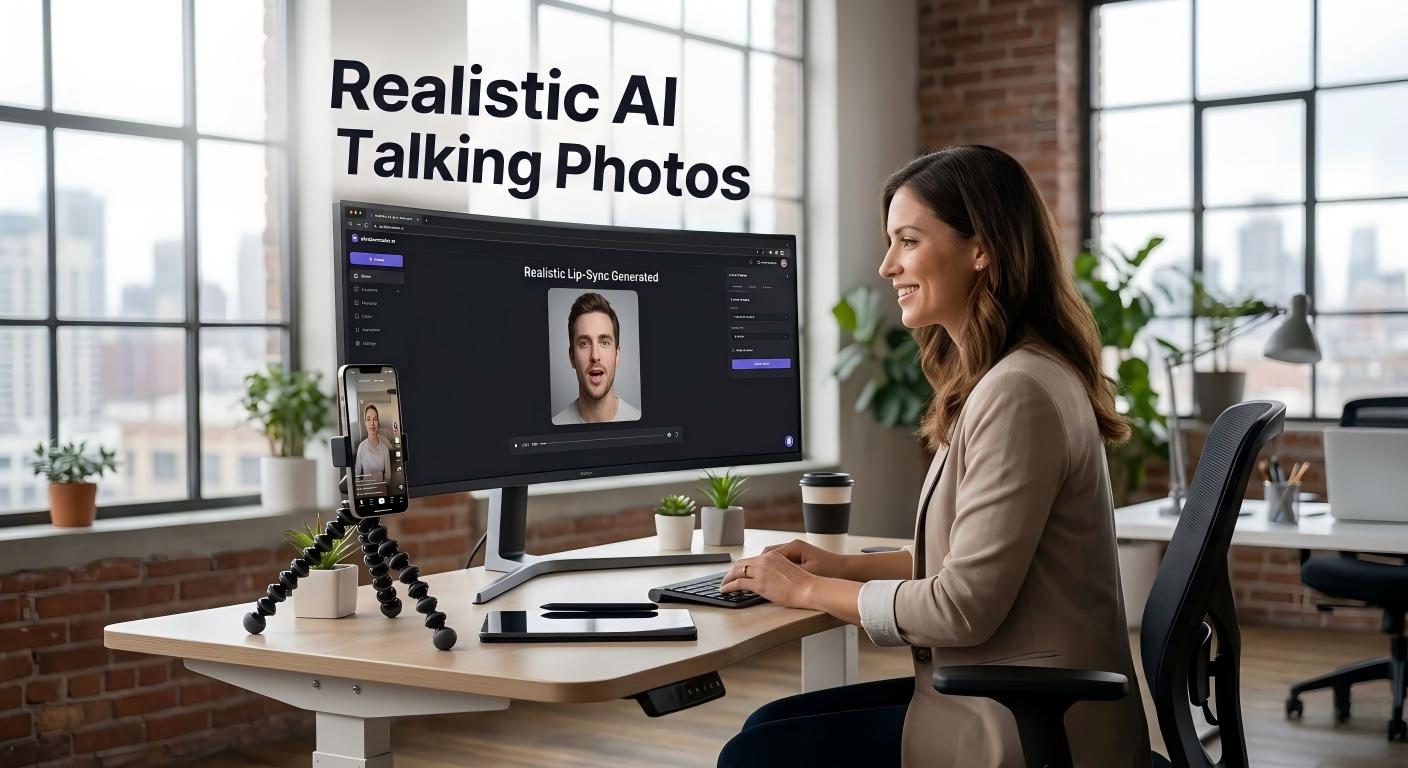
In the highly demanding arena of digital content production, enterprise media divisions and independent creators are continuously paralyzed by severe recording pain points. To mathematically eradicate the liabilities of endless multiple takes, catastrophic audio desync, and profound camera shyness, integrating an advanced AI talking photo generator into your core media workflow is an absolute operational mandate. Historically, producing professional face-to-camera video content required orchestrating a highly complex, capital-intensive physical environment. On-screen talent must memorize intricate sales scripts flawlessly, audio engineers must manually synchronize lavalier microphone frequencies with the primary camera sensor array, and directors must endure hours of agonizing retakes to capture a single usable clip.
Furthermore, when a minor script revision is required during the post-production phase, the entire physical apparatus must be reassembled. This introduces astronomical capital expenditures and crippling supply chain delays that fundamentally destroy a campaign's Return on Ad Spend (ROAS). By migrating from analog human performance to deterministic neural rendering, digital operators can completely bypass these mechanical bottlenecks. By supplying a single high-resolution portrait, organizations can synthesize dynamic, speaking assets instantly without requiring specialized camera hardware or professional actors.
This comprehensive B2B technical guide aggressively deconstructs the algorithmic physics of dynamic wavelength mapping and audio-driven muscle animation. We will critically evaluate the strict parameter configurations required for optimal facial topology manipulation and detail exactly how transitioning your media pipeline to a virtual presenter AI framework guarantees unprecedented speed-to-market, flawless script compliance, and infinite creative scalability across your entire visual catalog.
Core Phoneme Recognition & Lip-Sync Advantages
To objectively comprehend the structural superiority of an advanced portrait animation engine, computer vision engineers must deeply analyze the underlying mechanics of dynamic wavelength mapping and cross-modal neural translation. The system does not merely stretch 2D pixels across an arbitrary XY axis; rather, it executes a highly complex topological reconstruction of human facial muscles driven entirely by audio frequency inputs. Initially, the algorithm processes the injected voiceover data packet, deploying sophisticated Natural Language Processing (NLP) and spectral analysis to break down the audio waveform into discrete phonetic units.
Once the audio is mathematically tokenized, the neural network executes a precise viseme-to-phoneme mapping protocol. A viseme is the exact visual representation of the mouth and jaw shape corresponding to a specific acoustic phoneme. The core diffusion engine calculates the required kinetic displacement for the lips, teeth, and tongue, ensuring accurate lip sync AI replication that flawlessly mirrors native human articulation. However, isolating this kinetic animation strictly to the mouth introduces a severe 'uncanny valley' effect. To mathematically eradicate this visual dissonance, an enterprise-grade generation engine executes comprehensive facial topology manipulation.
This advanced audio-driven muscle animation propagates the kinetic energy of the synthesized speech throughout the entire facial lattice. For instance, as the jaw drops to form an 'O' vowel, the algorithm mathematically calculates the corresponding micro-contractions in the zygomaticus major (cheek muscles) and the orbicularis oculi (eye muscles). It simulates subtle, organic eye blinks, natural head tilts, and micro-expressions that temporally align with the prosody, pitch, and vocal fry of the underlying audio track.
By enforcing strict temporal consistency algorithms, the network guarantees that the synthesized visual data packets maintain absolute geometric rigidity across the temporal axis. This prevents the hallucinatory flickering and background distortion that plagued early-generation deepfake applications. This mathematical precision fundamentally ensures that the resulting digital avatar delivers a high-stakes performance indistinguishable from a natively recorded human broadcast.
Critical Market Applications & Real-World Use Cases
The strategic deployment of prompt-driven audio-visual synthesis is aggressively dictated by the hyper-accelerated distribution lifecycles of modern digital marketing architectures. In the highly specialized sector of educational technology (EdTech), course creators face massive logistical barriers when attempting to update curriculum modules. Consequently, when a software interface updates or a regulatory statute changes, attempting to manually re-record the human instructor introduces catastrophic operational delays. Therefore, these professionals actively deploy synthetic presentation technology. By simply updating the text script and routing a new synthesized voiceover into the AI video generator online, they can generate a completely updated instructional module instantly. Furthermore, this mathematically guarantees that the educational material remains perfectly synchronized with industry standards without ever incurring continuous studio rental OpEx.
Furthermore, global real estate agents and international brokerage firms leverage this exact infrastructural pipeline to rapidly dominate multilingual markets. Consequently, an agent can capture a single, high-resolution professional headshot and utilize it to generate a comprehensive property walkthrough pitch. Therefore, by routing translated audio files into the generation engine, the agent can instantly produce mathematically flawless video pitches in Spanish, Mandarin, German, and French, perfectly lip-synced to the original portrait. Consequently, this unparalleled capability for rapid localization allows lean agency teams to penetrate foreign markets and capture international capital that would otherwise be structurally inaccessible.
Therefore, digital marketers and social media agencies utilize these automated generation protocols to rapidly deploy high-converting social media hooks. Furthermore, because the AI handles the strict biomechanical animation and visual physics, the marketing manager can remain hyper-focused on aggressive script A/B testing and algorithmic distribution. Consequently, this strategic outsourcing completely isolates the brand from the immense psychological friction of camera shyness and human performance anxiety. Therefore, by mathematicalizing the creative supply chain, enterprise divisions ensure their advertising pipelines operate with the relentless, unyielding velocity required to secure continuous, high-margin retail revenue.
Comparison Table: Presenter Animation Modalities
To objectively evaluate the structural and financial viability of varying digital presenter modalities, procurement engineers must critically analyze comparative performance data. The following 4-column table mathematically contrasts AI Talking Photos against legacy visual synthesis alternatives across critical industry metrics.
| Animation Modality | Uncanny Valley Effect & Realism | Audio-Sync Precision (Visemes) | Generation Speed & OpEx Overhead |
|---|---|---|---|
| AI Talking Photo Generator | Minimal. High-fidelity facial topology manipulation ensures photorealism. | Supreme. Neural network precisely maps audio wavelengths to sub-pixel muscle movements. | Instant (Minutes). Requires only a basic SaaS subscription and a single static PNG/JPG. |
| Voiceover Dubbing (B-Roll) | None, but highly unengaging. Lack of a human face drastically lowers viewer retention. | N/A. No on-screen mouth movement to synchronize. | Fast, but requires purchasing expensive secondary stock footage to cover the audio. |
| Animated 2D Vectors (Vyond) | High. Obviously cartoonish, immediately breaking professional B2B trust. | Poor. Relies on rudimentary, binary jaw flapping rather than true phonetic mapping. | Slow. Requires days of manual vector timeline manipulation and scene building. |
| Costly Deepfake Software | Variable. Can look realistic, but frequently suffers from catastrophic facial flickering. | Moderate. Often requires a highly skilled VFX artist to manually correct viseme errors. | Astronomical. Demands extreme GPU hardware processing power and massive electrical OpEx. |
Portrait Selection Best Practices & Specs
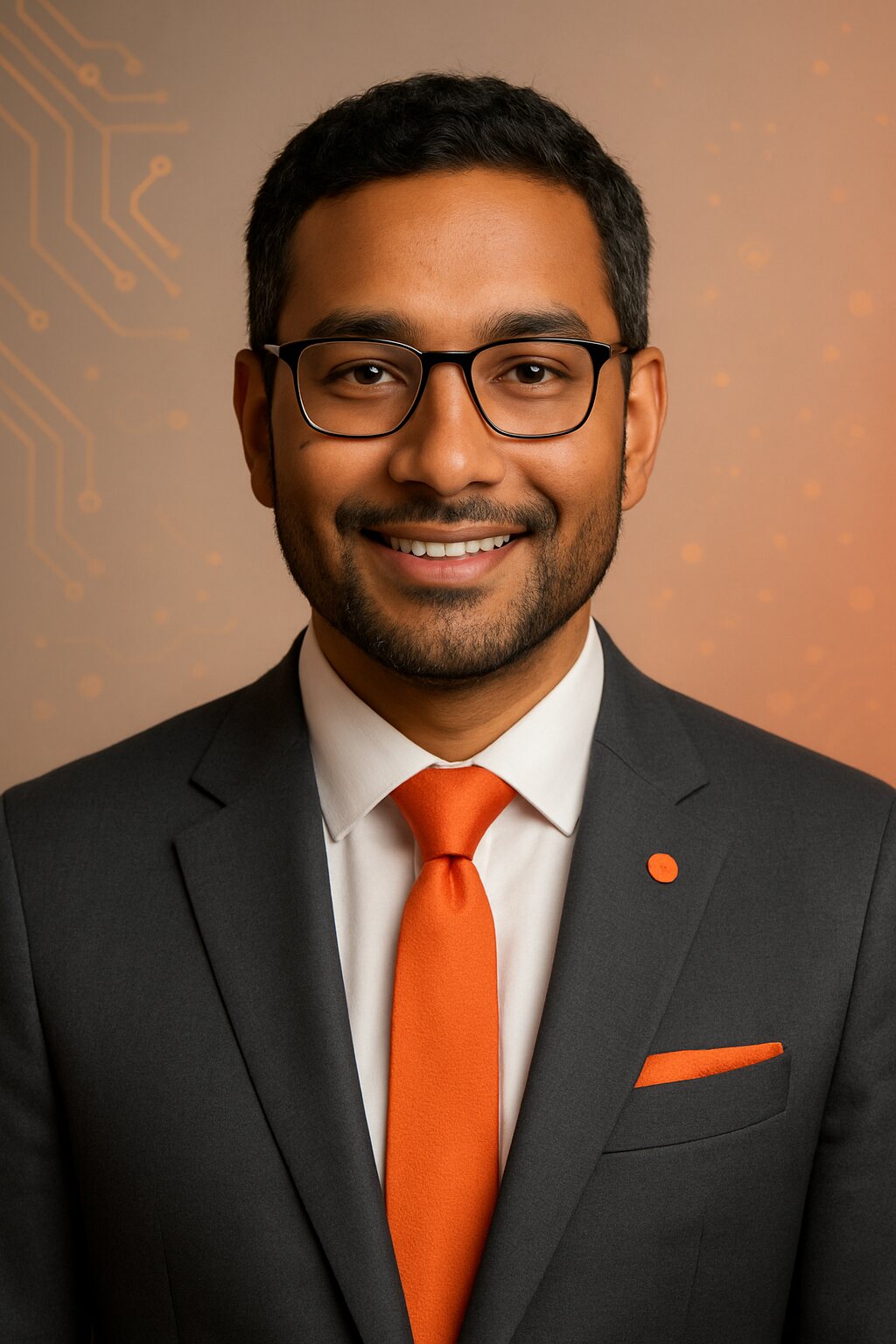
Executing a high-fidelity kinematic synthesis requires absolute adherence to rigorous input data parameters. The raw visual data packet supplied to the neural network acts as the foundational structural seed for all subsequent facial topology manipulation. If the input image is saturated with heavy JPEG compression artifacts, harsh asymmetrical shadows, or suboptimal illumination gradients, the AI's monocular depth estimation will fail catastrophically. To effectively make photos talk naturally, the primary photographic subject must be illuminated using soft, diffused, omnidirectional lighting to eliminate harsh contrast lines that the algorithm might misinterpret as physical geometry.
Furthermore, structural parameters dictate that the subject must be photographed at a strict zero-degree pitch and yaw (a perfectly head-on angle). If the portrait is captured from a severe high or low angle, the neural network struggles to mathematically extrapolate the occluded jawline physics. This directly results in erratic, gelatinous object warping and perspective distortion during the animation sequence. Additionally, procurement engineers must strictly avoid all foreground occlusions. Hair cascading heavily over the eyes, hands resting against the chin, or bulky microphones positioned near the lips will fundamentally break the viseme mapping sequence, causing the AI to hallucinogenically blend the static object with the dynamic mouth movements.
Finally, to maximize creative scalability and visual fidelity, users must utilize high-resolution seed images and strictly optimize their export workflows. Drafting should be executed at 480p to conserve server compute limits and guarantee Zero-Anxiety testing. However, final commercial delivery mandates upgrading the rendering pipeline to export at a minimum of 720p HD. By adhering to these strict engineering protocols, and subsequently routing final drafts through an integrated AI Video Upscaler, operators guarantee that their digital avatars maintain clinical accuracy and visual dominance on all modern high-density displays.
Frequently Asked Questions (FAQ)
1. What are the strictly supported voiceover file formats for audio-driven animation?
According to standard visual manufacturing protocols, the platform strictly permits the ingestion of high-fidelity audio data packets formatted as MP3, WAV, or M4A. Attempting to upload highly corrupted or proprietary audio codecs will result in a processing failure. Users must ensure audio is clear and free of heavy background noise to guarantee perfect phoneme mapping.
2. How does the system mitigate syncing delays between the audio track and visual visemes?
The underlying neural network executes synchronous processing. It does not overlay the audio post-generation; rather, the audio waveform itself dictates the physical generation of the video frames. This intrinsic mathematical linkage guarantees absolute zero-latency synchronization between the phonetic data and the visual muscle displacement, preventing traditional NLE desync issues.
3. How can I mathematically remove the free tier watermark for commercial distribution?
Data packets synthesized under the free tier retain a cryptographic platform watermark, and the legal usage rights are strictly limited to non-commercial, personal drafting. To legally mathematicalize your visual asset portfolio for commercial distribution, YouTube monetization, or paid client delivery, users must upgrade to a Premium or Pro subscription plan, which permanently eradicates the watermark.
4. Are there specific aspect ratio limitations for the input portrait data packet?
The diffusion model is highly adaptable, but optimal performance requires standard digital aspect ratios. Users can input 1:1 (square), 16:9 (landscape), or 9:16 (vertical) portraits. The system natively mathematicalizes the output to match the input ratio, ensuring the final video file is perfectly optimized for the intended distribution network without requiring secondary NLE cropping.
5. Does the generator support multi-character animation within a single image frame?
Currently, the core viseme-to-phoneme architecture is strictly calibrated for single-subject monocular estimation. If an image containing multiple faces is uploaded, the system will typically default to locking onto the most prominent, structurally central face in the array. For multi-character dialogues, engineers must generate individual clips and composite them manually.
6. What is the maximum duration for a single continuous talking photo sequence?
To maintain supreme model stability and prevent server-side timeout protocols, the generation matrix imposes strict computational length limits. While free tiers are optimized for short 5-second hooks, premium subscribers can utilize advanced credit allocations to synthesize extended continuous sequences. For narratives exceeding these limits, developers should utilize the platform's video extender logic.
Conclusion
The engineering reality within the digital media landscape is irrefutable: attempting to scale a modern educational platform or global real estate empire relying on manual video recording pipelines guarantees catastrophic operational failure, logistical bottlenecks, and severe financial bleed. By migrating your brand's creative supply chain directly to our precision-engineered portrait animation facility, you permanently mathematicalize your product's market readiness. You guarantee absolute resistance to audio desync, eradicate the threat of camera shyness, and unlock rapid speed-to-market for your entire visual catalog.
Do not compromise your brand's operational survival with substandard, highly variable human recording workflows. Secure your entire digital video supply chain by upgrading your algorithmic capabilities today. Access the advanced AI Video Maker platform to execute your first audio-visual synthesis. Review our comprehensive pricing and credit pass structures to instantly mathematicalize your creative output and fundamentally revolutionize your global content trajectory.